Spicy Saag – Nettle style

A few days ago on facebook I wrote little post on Nettle, and how it could be used as a substitute for a recipe in Food As Medicine called Spciy Saag. Well, yesterday I went into the forest and harvested nettle, along with some miner’s lettuce (Claytonia sibirica) and cleavers (Galium aparine) which all grew in the same area. It’s amazing how many wild edibles there are, probably growing in your backyard. For this recipe, any green vegetable can be used, although Nettles are particularly favored due to their high nutrient content.  Here’s a little history on Nettle, taken from my monograph at toddcaldecott.com.

Nettle has a long history of use all over the world as a food, medicine and textile fiber. Weiss properly calls Nettle a ruderale, meaning that it tends to grow around human settlements (1988, 261). Grieve states that the common name of Nettle is derived from the German noedl meaning ‘needle,’ possibly from its sharp sting, or in reference to the fact that it once furnished thread and cloth before the introduction of flax and hemp into Europe (1971, 575). ‘Net’ is stated as being the passive participle of ne, a verb that in many Indo-European languages such as Latin and Sanskrit, means ‘sew’ or ‘bind,’ respectively (Grieve 1971, 575). Nettle was at one time highly esteemed as a textile fiber, and is highly durable, once thought to be the only real equivalent to cotton, used by the third Reich during the second world war as a textile in manufacture of German I uniforms (Grieve 1971, 575; Wood 1999, 482). Beyond its importance as a fiber however, Nettle has long been regarded as an important and nutritious green vegetable, one of the first edible green growing things of spring, picked young and eaten steamed or in soups, said to be a good corrector of the bowels. The body of the famous Tibetan yogi Milarepa is said to have turned green from consuming nothing other than Nettle during his meditations. Despite being classified as a weed in many parts of the North America, Nettle was at one time highly prized commodity in rural areas, where the English poet Campbell recounts of his travels, “In Scotland I have eaten nettles, I have slept in nettle sheets, and I have dined off a nettle tablecloth” (Grieve 1971 575). More recently Nettle has been used as a commercial source of chlorophyll, and Weiss states that this color has been used in Germany as a food coloring agent for canned vegetables (1988, 262; Mills and Bone 2000, 490).

Here is the recipe for Spicy Saag, from Food As Medicine:

Saag refers to any kind of stir-fried greens in Indian cookery, prepared with the characteristic Indian spices such as cumin and black mustard seed. While spinach is most commonly used nowadays, saag can be made with any kind of greens, such as amaranth greens found in Chinese markets as hin choy and Indian markets as chaulai. I frequently use the kale and chard in my garden. To boost the nutrient content, I also add in other herbs such as fresh cilantro and fenugreek (methi), or use curry leaf instead.

Ingredients
1-2 lbs of amaranth greens, chopped into 1 inch chunks
½ bunch finely chopped fenugreek (methi)
½ bunch finely chopped cilantro; or, 1-2 sprigs of curry leaves
one-thumb sized piece of fresh ginger, grated
1 tbsp cumin
1 tbsp black mustard seed
½ tsp hing powder
2 tbsp coriander powder
½-1 tsp turmeric
½-1 tsp black pepper
1-2 tsp pink salt (sanchal)
2-3 tbsp ghee

Directions
Melt ghee in a wok or large saucepan at medium heat, and when it begins to glisten add in fresh ginger, cumin and black mustard seed. If you are using curry leaf instead of cilantro, slide the leaves off the curry sprig and into the pan. When the mustard seeds just begin to pop, add in hing, coriander, turmeric, black pepper and pink salt. Stir for a half minute and then add in amaranth greens, turning the heat up a little higher. Cook veggies for about 2-3 minutes on high heat, then reduce it back to a medium heat. Continue to cook, stirring frequently, just until the leaves turn a bright, brilliant green. Serves 2-4 people.

For variations, use different herbs and spices. Have a little gas? Add some ajwain, crushed fenugreek seed or fennel seed. Maybe today the kapha is a little thick and heavy? Add in some red chili powder. Or instead of cilantro or curry leaf, try some Thai Basil instead.

Raw Food Reality Hour

A few months back I addressed the issue of veganism in my blog, and provided a series of snippets and references from my book, suggesting that a long term vegan diet – especially in women and children – can be dangerous. This post generated a fair amount of reaction by vegans, but it also opened up the possibility of a more nuanced, well-reasoned approach to this issue. Today I want to continue this debate, by addressing the issue of raw foodism. The following is taken from my book, Food As Medicine, and is a compilation of my thoughts on this issue:

Today there are an increasingly large number of people claiming that raw food is the best way to eat most or all of your food, informed by the theories of early 20th century advocates such as Edward Howell, Ann Wigmore and Herbert Shelton.  Like veganism raw foodism has become a kind of underground social movement that equates social change with dietary choice.  Broadly speaking raw foodists usually lay claim to one or two camps: those that only eat raw vegetable foods such as raw vegans, fruitarians and sproutarians, and the other that also or exclusively eats raw animal products.

Historically there are very few examples of raw food cultures.  One notable example are the Inuit peoples, an aboriginal group of northern Canada called ‘Eskimo’ (‘eaters of raw meat’) by their southern Cree neighbors.  While it is true that the Inuit do eat some raw fish and meat, the idea that they traditionally ate raw food exclusively is contradicted by ethnographic reports.[i] Besides the Inuit the only other indigenous groups that regularly eat raw meat also live in circumpolar regions, where frigid temperatures prevent against microbial growth and food-borne illness.

Raw foodism maintains several arguments, central of which is the idea that raw food contains vitally important enzymes that aid in digestion, and that by cooking food we destroy them.  Taken at face value this theory seems to have a rational basis, but it doesn’t account for the fact that the body produces far more enzymes in its digestive secretions than are found in the food itself.  If it were true that these enzymes were necessary for digestion it would stand to reason that the body would not need to produce its own enzymes, when in reality the body produces up to five liters (1.3 gallons) of digestive juices on a daily basis.  Like all proteins, enzymes are denatured and digested in the gut into their constituent peptide fragments, rendering them devoid of any significant enzymatic activity.

Raw foodism suggests that raw food has a higher nutrient value than cooked food, but what this fails to take into account is the issue of bioavailability.  While cooking does reduce the nutrient content in some foods, it dramatically enhances nutrient bioavailability, offsetting any loss in nutrients by reducing the energy required for digestion and assimilation. According to anthropologists humans have been cooking food for more than a million years, and in the process have undergone both anatomical and physiological changes that reflect our reliance upon it.[ii] Compared to our primate cousins, humans have a much smaller gut and yet characteristically larger brains (i.e. a higher encephalization quotient).  Research suggests that cooking enhanced the efficiency of nutrient absorption, allowing for the evolution of a much smaller absorptive surface and hence smaller digestive tract, while at the same time boosting the energy intake required for the characteristically larger and more complex human brain.[iii]

Some raw foodists also believe that cooking destroys naturally occurring microbes such as Lactobacilli that support gut health and prevent disease.  Unless the raw food has been fermented to allow these “friendly” bacteria to out-compete other microbes however, raw food may also contain pathogenic bacteria such as Campylobacter, Clostridium, Salmonella and Escherichia coli. Other potential pathogens in raw food include pathogenic viruses (e.g. norovirus, enterovirus, hepatitis A virus), pathogenic fungi (Aspergillus, Fusarium) and parasites (Giardia lamblia, Entamoeba histolytica) that can cause both acute and chronic illness.  In contradistinction to the claim that raw food is healthy, there are an estimated 76 million food-borne illnesses each year in the United States, accounting for 325,000 hospitalizations and 5,000 deaths, all from eating raw or improperly cooked food.[iv] This is not to suggest that raw food is necessarily unhealthy, but that there are certain risks that need to be taken into consideration.

The last of the major arguments put forward by raw foodists is that cooking food results in the formation of toxins including glycotoxins, heterocyclic amines, transfats and nitrosamines.  Here the argument for raw food finds its most strength, but much of this concern relates to specific cooking methods rather than cooking itself.  In some instances raw food does have apparent benefits over cooked food, but these theoretical issues need to be weighed against empiricism and traditional practices.  Although often couched in simplistic terms, the issue of raw versus cooked food isn’t as black and white as many believe.

From a traditional medical perspective raw food can be eaten as part of a healthy diet but always with an eye to the nature of the food and the capacity of digestion.  According to Ayurveda people that have strong digestion (pitta) can usually tolerate raw food on a regular basis, but consuming raw food all the time aggravates the quality of coldness in the body (vata, kapha), diminishing digestive activity and vital energy – a notion supported by anthropological evidence.[v] Although support for a raw food diet is weak in traditional systems such as Ayurveda and Chinese medicine, raw food has special therapeutic application in the treatment of disease and in particular to promote detoxification (p. 216).


[i] Stefansson V. 1913. My life with the Eskimo. New York: MacMillan p. 176-8.  Available online: http://openlibrary.org/books/OL6562100M/My_life_with_the_Eskimo

[ii] Wrangham R, Conklin-Brittain N. 2003. Cooking as a biological trait. Comp Biochem Physiol A Mol Integr Physiol. 136(1):35-46.

[iii] Carmody RN, Wrangham RW. 2009. The energetic significance of cooking. J Hum Evol. 57(4):379-91

[iv] Mead PS, Slutsker L, Dietz V, McCaig LF, Bresee JS, Shapiro C, Griffin PM, Tauxe RV. 1999. Food-related illness and death in the United States. Emerg Infect Dis. 5(5):607-25

[v] Boback SM, Cox CL, Ott BD, Carmody R, Wrangham RW, Secor SM. 2007. Cooking and grinding reduces the cost of meat digestion. Comp Biochem Physiol A Mol Integr Physiol. 148(3):651-6

Breakfast

Recently I was asked, “What is the single most important and beneficial change a person could make to their life right now?” Of course I can think of many things, such as proper breathing, creative release and regular exercise, but when I reflect back on my practice and really think about it, as well as what I discuss in my book Food As Medicine, I can say it in one word: breakfast. Of course, this may come as a no-brainer to some of you, but if this is the case, you might be surprised how many people regularly skip this meal, or choose something entirely inappropriate.

Based on a perspective that sees human health and natural rhythms intertwined, Ayurveda suggests that your digestion and metabolism is directly related to the path of the sun across the sky. Thus when the sun first rises, we only begin to feel this influence weakly, but as the sun rises higher and higher in the sky, burning away the morning mist and dew, digestion and metabolism similarly increase until they reach their peak at midday. Thereafter, as the sun begins to decline, so too does our digestion and metabolism in preparation for sleep. According to Ayurveda, we want to eat on the ascent of this curve, following the ancient axiom that we “breakfast like a king” and “dine like a pauper”. Doing so ensures that our mind and body are properly fed, providing us with energy throughout the day. Every day is a journey, and just like when you pack up to go on a trip, you want to make sure that you are well prepared. Imagine if you were heading off on a road trip, and pulled over to get some gas. Let’s say you put only a couple bucks worth of gas in the car – you wouldn’t get very far, would you? Now imagine the hassle of having to pull over every so often just to get a few more bucks worth of gas to keep you going. Using this approach, you might even find that you run out of gas in the middle of nowhere. Nobody would think to do this, and yet many people treat their cars with more foresight and care than they do their own bodies!

The common pattern is to either skip breakfast or to have something quick, then perhaps have a light lunch, but as the afternoon progresses hunger sets in and these people begin to snack, eating almost continuously throughout the day and into the evening. This pattern, called “evening hyperphagia,” is linked to obesity and weight gain, and in Ayurveda is directly opposed to the natural rhythm. It’s also the reason why many people say they aren’t hungry in the morning – simply because they ate too much the evening before.  Eating too much at night not only causes you to pack on weight, it directly impairs digestion, and in my experience, is linked to everything from hiatus hernia to sleep apnea.

According to Ayurveda, ill health and disease frequently occur because of a failure to observe natural rhythms and cycles. Sometimes it’s easy for us to forget that we are a part of the earth, and therefore affected profoundly by natural rhythms. If you consider the dietary practices of traditional peoples, there aren’t many groups that skipped breakfast, and those that do usually ate a big lunch, and then booked off for a couple hours of sleep. But if you live in temperate regions such as North America and Europe, just imagine if you were a farmer, heading out for a day of chores: milking the cows, cleaning the chicken coop, mending fenceposts – with nothing more than a bowl of cereal or a muffin in your tummy. I don’t imagine that many of you would be all that productive – which is exactly why farmers typically ate a big breakfast: something that would give them energy for hours.

Which brings me to the notion of eating many meals all day long, a piece of advice from sports nutrition that is applied to the population at large, but doesn’t really work. I think it is a huge mistake to eat all day long – not only are you unconsciously consuming a lot more calories than you are aware of, but constantly eating or “grazing” as some people call it, places stress on your digestive system. I teach my patients that digestion happens in three major phases – gastric, intestinal and colonic. During the gastric phase, all of the energy of digestion is focused on the stomach, as it releases powerful acids and enzymes, contracting in waves to break down the food. The intestinal phase kicks in when the stomach empties into the small intestine through the pylorus. Now the energy of digestion shifts from the stomach to the small intestine, which in a similar fashion, releases digestive substances including bile, pancreatic and brush border enzymes to break down the food partially digested by the stomach. During this phase, the stomach collapses upon itself and relaxes, becoming quiescent until more food is eaten. As the food snakes its way through the small intestine, broken down into smaller and smaller particles for absorption, what is left over is then passed on to the colon. During this colonic phase, the remains of the digested food is inoculated with bacteria to form the feces, the colon reabsorbing excess water and only few nutrients. At this point, when the food is passing through the ileocecal valve from the small intestine to the colon, the appetite usually returns and the stomach begins to gurgle, looking for food.

These three phases of digestion: gastric, intestinal and colonic, happen in a coordinated fashion, and eating frequently doesn’t allow for this coordination. Constantly filling the stomach with food takes energy away from the small intestine and impairs the efficiency of digestion. It essentially diverts a natural flow of food through the body, to one of dysregulation and chaos. In my clinical experience, and according to Ayurveda, eating frequently and randomly places enormous stress on digestion, and creates a cycle of dysregulation that extends from blood sugar issues to hormone dysfunction. I don’t believe there is any more truth to the notion of being a “grazer” as many people claim, than there is of being a “night owl”. Staying up late is only possible with light, and hence electricity – how long would you spend trying to stay up in the dark without it? Likewise, abundant cheap food has meant that we no longer have any naturalistic control over the eating impulse. Do you think for one moment a farm wife would allow you to pinch the goods in her larder all day long, whenever you wanted? Not likely!

Both of these claims – that of being a grazer or a night owl – are just the result of a choice, albeit a choice made in ignorance of just how powerfully technology has affected our lives. Traditional peoples neither stayed up late at night, nor did they eat all day long. Many traditional peoples ate just twice a day – morning and evening eating – leaving the daytime for activity, work and play. The challenge is how do you get away with eating twice a day? Research has demonstrated that eating less promotes longevity, but just as soon as we start eating less most of us find that we get hungry! As a result, people become hypoglycemic, and low blood sugar leads to increased appetite and a myriad other symptoms that range from anxiety to fatigue. Dieticians thus recommend eating 6-7 small meals a day, which in turn shifts hypoglycemia to a sustained hyperglycemia (elevated blood sugar), with little drops in blood sugar signalling the next wave of feeding. As a result people gain weight – except perhaps vegans, who are almost always hungry – and as they gain weight they increase their risk of almost every disease in the book. This is because sustained elevated blood sugar causes direct damage to the arteries, promotes insulin resistance, and leads to cardiovascular disease, diabetes and cancer. What we should be trying to achieve is blood sugar that is neither too high, nor too low – the sweet spot – “just right”, as Goldilocks said.  But we can’t achieve this by eating snacks all day long, leaving it up to appetite, circumstance and whimsy. We need to fuel up for the day, and this is exactly why I recommend a high fat, high protein breakfast with lots of above-ground veggies that add fiber. Eating this way ensures that the blood sugar is replenished but at a steady rate that extends over many hours, using the body’s ability to burn fats and proteins slowly. This is very much unlike the starchy breakfasts such as cereal, oatmeal and toast favored by many: all of which give you a little burst of energy, but then cause you to crash and burn a short time later.  And if you crash out before lunch, it’s probably not going to be a good day.

About five years ago I had a patient come to me complaining of chronic anxiety and infertility. Her typical breakfast was a coffee, maybe a muffin, a salad for lunch and snacks for the rest of the day. She was a vegetarian, wasn’t overweight, and otherwise looked like a healthy, fit person. She had suffered from chronic anxiety however, for the last 18 years, and infertility for the last 13. The only thing I had her do was have lamb stew for breakfast. Day four she called me up to say the anxiety had disappeared. Two weeks later she said that she had noticed a major change in her cervical mucus, suggestive of ovulation. Time after time I get similar reports when patients and students make this change. They often don’t believe me but when they make this change many experience it like a miracle. Suddenly they have more energy, better mental focus, and feel more optimistic about their lives. Yes, it’s just breakfast, but if you can eat a big meal in the morning and not even think about food all day long until mid-afternoon, I guarantee you’ve had a very good day indeed!

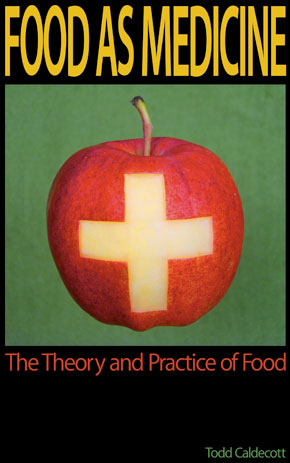
*NOTE* The images that are embedded in this post are typical breakfasts at my house. Right now its 5pm and as I’m writing this I’m just starting to get hungry – and today we had stir-fried nettles, chard and onion, with basted eggs and bacon. Ok, just writing that made me hungrier! But even though I’m hungry I don’t feel crashed out – like I NEED to eat. Vegetarians who avoid eggs can get similar effects, but will probably need to eat thrice daily, starting breakfast off with a generous portion of plain raw yogurt, eating whole grains, pulses and vegetables for lunch and supper.  A little fruit is a great mid-afternoon snack when it’s in season, but sugary snacks and sweets including dried fruit typically results in a blood sugar crash later on. For more details on this pattern of eating, and how to stay healthy with food and the seasons, please check out my book Food As Medicine: The Theory and Practice of Food.

Indian Flatbreads: roti, thepla and parantha

There are many different types of Indian flatbread including roti (chapatti), thepla and parantha. The primary advantage of flatbread over conventional bread is that it’s easier to digest, and doesn’t have the same sticky and heavy properties as baked loaves. Roti is a plain Indian flatbread traditionally made with a stone-ground wheat flour called atta. Thepla is similar but thicker than roti, often made with different grains such as chana (chickpea) or millet, and usually includes herbs such as chopped fresh methi (fenugreek) or cilantro kneaded into the flour. A third type of Indian flatbread is parantha, which is usually stuffed with vegetables and herbs.

To make plain roti, follow these directions:

Ingredients
1 cup flour, germinated and roasted
1 cup sourdough culture (see below)
olive oil

Directions
Grind the flour to the desired consistency using a coffee grinder or a grain mill. Mix the flour and sourdough culture together, adding in a little water as required, and knead well. Place in a bowl and drizzle a little olive oil over the surface of the dough to keep it moist. Cover with a wet cloth and let sit for several hours in a warm place and let it ferment (2-18 hours). After fermentation, knead the dough again, and then break off pieces of the dough about the size of a golf ball, roll into a ball and put aside. Warm a large cast iron pan to medium heat with no oil. Sprinkle some flour onto a large flat surface such as a cutting board or a counter, and roll out each ball until it is a round, thin disc, and immediately place in the pan. Cook for approximately 1-2 minutes on each side. When golden brown, take the roti out of the pan and then place them on a hot burner very briefly until they puff up. Serves 3-4 people.

To make thepla use the same basic technique as roti, but add in the following ingredients after making the dough:

Ingredients
half cup fresh chopped methi (fenugreek)
2 tbsp sesame oil
1 tbsp sesame seeds
1 tsp ajwain seeds
1 tsp turmeric powder
½ tsp cracked black pepper
1 tsp salt

To make parantha prepare in the same manner as roti, but instead of mixing the ingredients into the flour, you are going to stuff the roti. For the filling many different vegetables can be used, including cabbage, broccoli and sweet potato, but my favorite is gobi parantha – made with cauliflower (‘gobi’).

Ingredients
1 small head of cauliflower, coarsely grated and drained
1 tsp cumin seed
1 tsp black mustard
½ tsp crushed coriander seed
½ tsp hing
½ tsp ajwain
½ tsp black pepper
½ tsp chili pepper
¼ tsp turmeric
½ tsp salt
2 tsp ghee

Directions
Grate the cauliflower (or any other vegetable), add the salt and mix well in a bowl. Let sit for 5 minutes then take a handful out at a time, squeezing out the excess liquid and put aside. Melt 1 tsp of ghee in a saucepan and roast the cumin, black mustard, coriander and ajwain for a minute until the mustard starts to pop, then add in the hing, turmeric and black pepper. Mix for a few seconds then add in the cauliflower. Stir-fry for a few minutes then put aside, half-cooked. Follow the recipe for roti: roll out each ball to about three inches in diameter, and place about 2 tbsp of filling in the middle. Make a dumpling by pulling the edges of the roti together, and then roll flat to no more than ¼ inch thickness. Parantha can also be made by rolling out two roti, laying the filling on one, covering with the second, pinching the edges closed and then rolling flat. Melt 1 tsp of ghee in a frying pan on medium-low heat, and fry each parantha on both sides until golden brown.

To Make Sourdough
Sourdough is a method to ferment flour made from whole cereal grains with naturally occurring yeasts and bacteria that deactivate antinutrient factors.  To make a sourdough culture blend one cup of whole grain flour with one cup of chlorine-free water.  Keep the starter in a warm place, such as in the kitchen, at temperatures between 70-80˚F/21-26˚C.  After 24 hours discard half the starter and add in a half-cup flour and a half-cup purified warm water to feed the culture, and repeat again the next day.  By day three this mixture will have a distinct yeasty smell, and on about day four the starter will become frothy, indicating that it is ready to use.  Often a brownish alcoholic liquid (‘hooch’) will appear on the surface – this is normal – just mix it back into the starter.

Blood Building Syrup

All systems of traditional medicine make extensive use of the medicinal properties of both fresh and dried fruit, cooked with water to make a compote, or prepared as medicinal jams and syrups. Ayurveda maintains a large class of medicinal jams called lehyas, which means ‘to lick’, referring to the method of administration. While they aren’t exactly like deserts, compotes, jams and syrups are a very pleasant to get the medicine down, and are particularly suited to both vata and pitta conditions. The following ‘Blood Building Syrup’ is an excellent preparation to help build up the blood in anemia, infertility, exhaustion, and immunodeficiency, or when recovering from chronic disease, medical treatments (e.g. chemotherapy) or surgery. Although it is prepared as a syrup in this recipe, to prepare as a compote simply stew the fruit with the herbs and serve it without processing it further.

Ingredients
½ cup chopped dried figs
½ cup dried goji berries
½ cup dried prunes
½ cup Chinese red dates
1 oz shatavari root (tien men dong or asparagus root)
1 oz cured rehmannia (shu di huang)
1 oz astragalus root (huang qi)
1 oz American ginseng (xi yang shen)
2 quarts (4 liters) water
2-3 tbsp ghee
2 tbsp pippali powder
1 tsp cardamom powder
1 tsp cinnamon powder
½ tsp clove powder
¼ tsp pink salt
1 cup organic molasses (approximately)

Directions
Add the dried fruit and herbs (shatavari, rehmannia, astragalus, American ginseng) into a pot along with 2 quarts of water, bring to a boil and simmer until it is reduced to a syrup-like consistency and the fruit and herbs are squishy (about 1 hour). Allow the fruit-herb decoction to cool and then mix in a blender until smooth. Strain the liquid through a mesh strainer into a measuring cup, taking note of exactly how much liquid you are left with. In a separate pan, melt the ghee on medium heat and add the pippali, cardamom, cinnamon, clove and pink salt. Cook for a minute and then add the fruit-herb decoction to this, along with an equal part molasses. Cook on low heat for about 10-15 minutes, stirring frequently. Pour into a clean, dry glass bottle, seal and store in a cool location. Dose is 1-2 tbsp twice daily, with warm water.

Food As Medicine: In the Kitchen

Come join Todd Caldecott in his kitchen for this weekend workshop exploring the power of using Food As Medicine. Part lecture and part practical demonstration, Todd will show you how to use specific foods and herbs to enhance your health, sharing secrets gleaned from 20 years of research, practice and clinical experience. Immerse yourself in the energetics of food, and step past the dietary dictocrats to get at the heart of what makes you tick. Learn how to eat strategically to meet your individual needs, how to prepare delicious healthy recipes, and how to make simple herbal remedies to keep you and your family healthy.
Saturday, March 24/25, 2012 at 1-5:00pm
Private residence in Vancouver: details available to registrants
$200 (+ GST) includes a full course meal both days, and a free copy of Todd’s new book Food As Medicine: The Theory and Practice of Food (a $25 value). Space is limited so register early by sending an email to info@foodasmedicine.ca, or calling 778.896.8894.

The ever-present problem of plastic…

We’ve all heard of the North Pacific Gyre and the enormous island of plastic garbage that floats there. An island made of tiny pieces of plastic, each at one time part of whole that represented an idea – a promise in the form of convenience or necessity that was so convincing that we failed to comprehend the result – what would happen when we kept buying, using and discarding all that plastic? But while we worry about an island of plastic, and even admit it as a badge of shame, the reality is that problem is much bigger. It’s not an island that’s the issue – the problem is that we are literally swimming in an ocean of plastic every day.

Plastic is all around us. Much of the clothing we wear today contains or is exclusively made of synthetic fibers – clothing for example that that contains neurotoxic polybrominated diphenyl ethers (PBDEs) – at least judging from the fact that dryer lint is the single greatest source for everyday exposure [1], [2]. But it’s not just clothing – PBDEs are found in carpeting, electronics, mattresses, bedding and furniture, permeating our home and work environment as a fine dust that we eat and inhale everyday. PBDEs are classified as a persistent organic pollutant (POP), with environmental contamination doubling every five years. Children in particular are targets for the neurotoxic effects PDBEs, which is alarming considering that their brains and nervous system are still developing. And that’s just PBDEs…

Perhaps the biggest concern these days is food storage, with a lot of media attention focused on bisphenol-A (BPA). And while many of you probably choose ceramic or glass containers over the old margarine tubs and tupperware that my grandmother had stacked so neatly in her cupboards, the fact is that plastic is found in so many other sources that this probably isn’t anything except a feel good maneuver unless you are also careful about other things like canned food, tetrapaks, milk cartons, and basically any food stored in plastic – from oil and milk, to meat and vegetables – you will have to work hard to avoid it.

The concern is that chemicals found in food-grade plastics migrate into food during storage and heating [3], [4], [5]. Some of these chemicals including bisphenol-A (BPA)[6] and phthalates [7] have only recently been found to be endocrine disruptors [8], suspected of playing a role in breast cancer [9], prostate cancer [10], obesity [11], asthma [12], neurobehavioural issues [13], male infertility [14], uterine fibroids and endometriosis [15]. And while some manufacturers applaud themselves for no longer using chemicals like bisphenol-A (BPA), the fact is that BPA was used for more than 50 years before its negative effects were realized. This should raise very serious concerns that a host of other compounds in plastic have not been adequately recognized or tested. This includes the supposedly benign polyethylene terephthalate (PET), used in a wide variety of food storage and also polar fleece clothing, which has only recently identified as an endocrine disruptant [16]. But instead government agencies and industry assure us with confident claims about the safety of food plastics – but the reality is that they don’t really know what the effects are and especially the synergistic effects of all these plastics in our bodies [17]. Recently there was a blog post passed around on facebook that identified companies that produced canned food with cans that are BPA-free. This is a good thing, except that the substitutes being touted as safe are probably no better. Instead of BPA, these cans are lined with an “oleoresinous c-enamel”, which is contains a petrochemical-based plasticizer trademarked as Neville LX-782 for which there is no sufficient safety data. The same blog post also suggested that polyethylene (LDPE/HDPE) is safe, used in tetrapaks and milk jugs, but once again, there is very limited safety data on this. Furthermore, we need to include that plastics like polyethylene don’t just contain polyethylene, but also a host of additives, residues and decomposition products.

Since 100% plastic avoidance is next to impossible nowadays, I guess we should all bank on evolutionary processes to provide us with the capacity to adapt to the nanoparticle soup of plastics floating in our bloodstream. But it still makes sense to avoid plastics wherever possible. This means avoiding non-stick aluminum cookware (e.g. polytetrafluoroethylene), and getting all of your food as fresh as possible. Always prefer glass over any plastic (and even stainless steel, which contains nickel and other heavy metals that migrate into your food), and learn to make things like yogurt and sour cream at home. Also, avoid all plastic water bottles, tetrapaks dripping with synthetic dyes that migrate into your organic almond milk, and especially avoid all canned food – BPA free or not – there is NO evidence that any petrochemical plasticizer is safe for human health. An absence of data should not inspire confidence.

Much of the research for this post comes from my book Food As Medicine: The Theory and Practice of Food. If you have any comments or contributions to the discussion I would love to hear them!

References
[1] Jones-Otazo HA, Clarke JP, Diamond ML, Archbold JA, Ferguson G, Harner T, Richardson GM, Ryan JJ, Wilford B. 2005. Is house dust the missing exposure pathway for PBDEs? An analysis of the urban fate and human exposure to PBDEs. Environ Sci Technol. 39(14):5121-30.
[2] Johnson-Restrepo B, Kannan K. 2009. An assessment of sources and pathways of human exposure to polybrominated diphenyl ethers in the United States. Chemosphere. 76(4):542-8.
[3] Goulas AE, Zygoura P, Karatapanis A, Georgantelis D, Kontominas MG. 2007. Migration of di(2-ethylhexyl) adipate and acetyltributyl citrate plasticizers from food-grade PVC film into sweetened sesame paste (halawa tehineh): kinetic and penetration study. Food Chem Toxicol. 45(4):585-91
[4] Cao XL, Corriveau J, Popovic S. 2010. Bisphenol a in canned food products from canadian markets. J Food Prot. 73(6):1085-9.
[5] Petersen JH, Jensen LK. 2008. Phthalates and food-contact materials: enforcing the 2008 European Union plastics legislation. Food Addit Contam Part A Chem Anal Control Expo Risk Assess. 27(11):1608-16.
[6] Vogel SA. 2009. The politics of plastics: the making and unmaking of bisphenol a “safety”. Am J Public Health. 99 Suppl 3:S559-66.
[7] Crinnion WJ. 2010. Toxic effects of the easily avoidable phthalates and parabens. Altern Med Rev. 15(3):190-6.
[8] Ghisari M, Bonefeld-Jorgensen EC. 2009. Effects of plasticizers and their mixtures on estrogen receptor and thyroid hormone functions. Toxicol Lett. 189(1):67-77.
[9] López-Carrillo L, Hernández-Ramírez RU, Calafat AM, Torres-Sánchez L, Galván-Portillo M, Needham LL, Ruiz-Ramos R, Cebrián ME. 2010. Exposure to phthalates and breast cancer risk in northern Mexico. Environ Health Perspect. 118(4):539-44.
[10] Prins GS, Tang WY, Belmonte J, Ho SM. 2008. Perinatal exposure to oestradiol and bisphenol A alters the prostate epigenome and increases susceptibility to carcinogenesis. Basic Clin Pharmacol Toxicol. 102(2):134-8.
[11] Grün F. 2010. Obesogens. Curr Opin Endocrinol Diabetes Obes. 17(5):453-9.
[12] Bornehag CG, Nanberg E. 2010. Phthalate exposure and asthma in children. Int J Androl. 33(2):333-45
[13] Hajszan T, Leranth C. 2010. Bisphenol A interferes with synaptic remodeling. Front Neuroendocrinol. 31(4):519-30.
[14] Martino-Andrade AJ, Chahoud I. 2010. Reproductive toxicity of phthalate esters. Mol Nutr Food Res. 54(1):148-57.
[15] Weuve J, Hauser R, Calafat AM, Missmer SA, Wise LA. 2010. Association of exposure to phthalates with endometriosis and uterine leiomyomata: findings from NHANES, 1999-2004. Environ Health Perspect. 118(6):825-32.
[16] Sax L. 2010. Polyethylene terephthalate may yield endocrine disruptors. Environ Health Perspect. 118(4):445-8.
[17] Wagner M, Oehlmann J. 2009. Endocrine disruptors in bottled mineral water: total estrogenic burden and migration from plastic bottles. Environ Sci Pollut Res Int. 16(3):278-86

Comments are now closed for this post. Please email your comments to info@foodasmedicine.ca.

Some student feedback

Recently I wrapped up teaching both Food As Medicine and an Ayurvedic workshop at Prana Yoga College. Usually I get very good feedback from students, but this recent batch I received was quite lovely and very much appreciated. I will be offering more Food As Medicine workshops and also courses on Ayurveda and herbal medicine though Prana Yoga and other locations in the new year, so please check back for more details.

Here are some of the reviews of my class:

“This course was extraordinary. Everyone was on the edge of their seats the whole time, questions were flying, old perceptions were shattered, and almost everyone decided to buy Todd’s book by the end of the course. One thing for sure is that we did not have enough time — another day (four hours) would have been perfect. There were so many questions and discussions that we didn’t come close to finishing.”

“I know that personally, this course had a profound influence on my life. And I witnessed a lot of dietary and health changes in the other students in the following weeks. I even ran in to some people that had attended the course that were not part of the 500-hour group, and they said it was one of the most amazing workshops they had been to. Food and nutrition has become a complicated subject only because of the kind of culture we live in and the modern food practices. Todd was a voice of reason in an otherwise confusing world of misinformation. This course was a class favorite and I can’t see any reason not to have it offered again, and hopefully lengthened. I think this workshop could draw a lot of people in from outside the 500-hour students — the general public is very interested in nutrition, and Todd really knows his stuff. This workshop should be more prominently featured and possibly held more often.”

“Todd was wonderful. He had so much knowledge to share, that he seemed to be a walking encyclopedia. He was able to answer almost every question anyone had, and there were a ton of questions. I’ve never seen so many students ask so many questions. He had the group’s attention the whole time, never acted superior, was patient with questions, and was passionate about the topic.”

If you are interested in holding a workshop, please send an email to todd@toddcaldecott.com. Thanks for your interest and support.

Preventing constipation naturally

Constipation is a frequent complaint that affects upwards of 100 million Americans on a regular basis, and in traditional systems of medicine such as Ayurveda, is considered to be a precursor to any number of more serious health issues. By some medical definitions constipation is only diagnosed if the patient hasn’t had a movement for more than one week. This designation is based purely on statistical averages, i.e. what is “normal” in society. Some people have frequent BMs, whereas others only poop 1-2 times a month. But statistical averages say nothing about the condition itself, nor about the importance that it plays in health and disease.

Part of the issue is that “constipation” is a subjective term. Some of my patients tell me they are constipated even though they have regular BMs – it’s just that they don’t feel “empty” or properly “satisfied” after a BM. Other people only have a BM every couple days, and think that this is normal and natural. According to Ayurveda, everyone should have between 1-2 bowel movements a day, and so if you are having at least one BM a day we cannot say that you are constipated. However, it doesn’t necessarily indicate that you are having healthy BMs, and this is sometimes what people mean when they say they’re “constipated”.

Which brings us to the subject of poop itself – what is it? Mostly it is bacteria – over 60% by volume – and whatever indigestible fibers and foodstuffs the bacteria have been fermenting. If the BM is particularly smelly, it says something about the weakness of your stomach and gastric digestion – probably there is too much undigested protein making its way to the large intestine, encouraging bacterial putrefaction rather than fermentation. If this is you, reduce the protein in your diet so you can digest it properly, and take more bitter-tasting leafy greens and herbs like gentian or barberry before meals to stimulate the stomach and liver. And if it smells too fermented, sort of like a sweet compost-like odor, cut back on the carbs and other sweet foods, and take pungent-tasting herbs to enhance digestion such as garlic and ginger.  What you eat has a tremendous impact upon your digestive health, so pay attention! As you can see, I also recommend that you smell your poo, since as gross as it might sound, it provides good information about the nature of the bacteria that live in your gut. Normally a BM doesn’t have a particularly strong smell, apart from the fact that its poop and so still smells rather…well… “poopy” – but in a good way. Hey, nobody said we’re talking about roses here!

Since your BM is mostly bacteria, this is a good place to start when dealing with constipation. In essence, constipation is a deficiency of the “probiotic” bacteria such as Lactobaccillus and Bifidobacteria that live and grow inside your colon to produce a healthy BM. Thus an important place to start with constipation is in restoring the GI ecology. The best way to do this is to regularly eat live culture foods, and in particular, fermented vegetables. Unlike fermented foods such as kefir, kombucha, sourdough, wine, mead and beer which contain yeasts that can inhibit a healthy gut ecology, fermented veggies are totally bacterial, and totally beneficial. In my book Food As Medicine, I describe the simple process of making fermented veggies, and include recipes of common examples such as sauerkraut, kimchi, carrot pickle and relish. Compared to expensive store-bought probiotic supplements that are almost entirely dead by the time they get to your fridge, home-made fermented veggies are powerhouses of healthy bacterial colonies that only cost pennies a day. I recommend eating fermented veggies on a daily basis as a good way to prevent constipation. Sometimes it takes a little bit to get used to them, but once you experience their benefits, you will probably come to crave these foods.

Some people are constipated because they’re simply too dry. Drinking 1-2 large glasses of warm water first thing in the morning is a good way to get things moving, particularly if you get up early, before sunrise. In Ayurveda, sleeping in promotes constipation by countering the natural flow of vata dosha, which reaches its full expression just before sunrise. If drinking warm water alone doesn’t help, mix 1 tsp of triphala churna (powder) in with the first glass of water. While triphala is frequently recommended, there are many other herbs that are equally as useful, and can be taken first thing in the AM too. Yellowdock root tincture is particularly good for constipation, as is dandelion root and barberry rootbark. All three of these herbs as well as triphala are bitter in taste, stimulating bile release from the liver and gall bladder, which in turn stimulates intestinal peristalsis. Ensuring that the liver is properly stimulated, you can also try to introduce fattier foods into the diet, which helps to lubricate the intestine. Examples include meat soups and stews, eaten with steamed buttered vegetables or vegetables sauteed in fat. Likewise, taking demulcent herbs such as aloe, marshmallow and slippery elm can be helpful as well. For painful, difficult evacuation, you can even inject 2-3 ounces of warm sesame oil prepared with a pinch of rock salt into the rectum before bed.

There are many factors involved in constipation, and here I am only covering a few. To get more detail please visit my website at www.toddcaldecott.com, and my monograph on constipation.

Comments are now closed for this post. Please email your comments to info@foodasmedicine.ca.

Weston Price vs Dean Ornish

Over the summer I received a number of questions on my Q&A on www.toddcaldecott.com, and I am just getting to them now. In the hope that I can get to more of your questions more quickly, I have decided to offer a new series of video blogs. This week’s video blog answers a question I had about the discrepancies between the high-fat dietary advocates, such as Sally Fallon and the Weston A. Price Foundation, and the low-fat position taken by Dr. Dean Ornish. My hope is to inject a little more subtlety into these arguments.

On the issue of gluten…

Gluten intolerance is not only a ubiquitous issue, but an entire industry of “gluten-free” foods has been created around it. Here are some of my thoughts on the issue of gluten, taken from Food As Medicine: The Theory and Practice of Food. pages 51-54. If you would like to make a traditional Indian flatbread that reduces gluten to negligible, please review my recipe for sourdough roti, thepla and parantha.

***

Over thousands of years of experimentation we have learned to process cereals to limit the negative effects of antinutrient factors, including grinding, germination (p. 116), fermentation (p. 127) and cooking. While innovations in modern technology would have us dispense with many of these methods, history demonstrates that when we fail to observe traditional measures there can be dramatic repercussions. Pellagra arose as a mysterious disease in the South-Eastern US during the early 1900’s, just a few years after cornmeal had been introduced as food to feed the poorer classes. Pellagra ravages the body causing skin lesions, chronic diarrhea and dementia, killing the victim in just a few years. It took almost 50 years before a scientist discovered that pellagra was caused by a niacin (vitamin B3) deficiency. Years later it was discovered that the traditional Aztec practice of processing corn with an alkali such as wood ash or lime (called nixtamalization) releases niacin trapped in the outer shell of the kernel.

While pellagra is now a rare occurrence, its underlying cause finds resonance in a whole new epidemic of gluten intolerance. Gluten is a naturally occurring protein found in the seeds of grass species including wheat, spelt, kamut, rye and barley. When ground into a flour gluten gives these cereals a glue-like consistency that allows the dough to rise, trapping the gasses released by the leavening agent like a balloon fills with air. Etymologically the word ‘gluten’ is derived from the Latin word ‘glutinis’ meaning ‘glue’, and it is perhaps no surprise that the sticky properties of gluten are used to good effect in other applications such as paper-making, wallpaper paste, paper-mâché and play-dough.

Given the sticky, glue-like property of gluten and flour it is easy to appreciate that gluten is very difficult to digest. At the extreme end are those who suffer from celiac disease, and exhibit a profoundly negative response to gluten consumption, manifesting characteristic symptoms including abdominal pain, steatorrhea, constipation and malabsorption. Although less than 1% of the population is diagnosed with overt celiac disease, researchers suspect gluten intolerance may be much more common than previously thought,[1] affecting up to 29% of the US population.[2] Beyond the effect on digestion, gluten intolerance is associated with a number of other issues including:

  • weight loss[3]
  • anemia[4]
  • fatigue[5]
  • dermatitis herpetiformis[6]
  • psoriasis[7]
  • autoimmune thyroiditis[8]
  • type 1 diabetes[9]
  • uveitis[10]
  • Addison’s disease[11]
  • infertility[12]
  • inflammatory bowel disease[13]
  • autoimmune liver disorders[14], [15]
  • pancreatitis[16]
  • peripheral neuropathy[17]
  • dementia[18]
  • epilepsy[19], [20]
  • anxiety[21]
  • migraine[22]
  • fibromyalgia[23]
  • arthritis[24], [25]
  • osteoporosis[26]
  • cancer[27], [28]

The typical advice given to confirmed celiacs and those suspected of gluten intolerance is to avoid gluten-containing foods such as bread, pasta, pastries, muffins and breakfast cereal. Gluten however is hidden in many foods, used by industry as an adhesive and excipient in processed and prepared meats, processed cheeses, condiments, sweeteners and candy, as well as breads “made without flour”. Given its prevalence in the food supply gluten avoidance can be a difficult task for the consumer, especially outside of big cities and major centers, and itself can be a cause of chronic anxiety.[29]

Given the association of gluten intolerance with chronic disease it is not surprising that the popularity of gluten-free products has exploded in the marketplace. Manufacturers have found clever ways to use non-gluten flours such as rice, buckwheat, corn, sorghum, teff, tapioca, arrowroot, potato, coconut, soy bean, guar bean and locust bean to make familiar products. While many of these alternatives do seem to lessen the symptoms associated with gluten intolerance, the question arises if we are substituting one problem for another. Very few of these alternatives were traditionally milled into a fine flour and used in baked goods, and many have the same types of antinutrient factors and immune sensitizers as gluten-containing cereals such as wheat.

It could be that much of the issue with the widespread gluten intolerance that seems to have evolved from thin air, like corn and pellagra, is in large part an artifact of not observing traditional methods of food preparation. Traditional methods of bread making, like the nixtamalization of corn, is an involved process that includes sprouting, roasting and stone-grinding the cereal to a coarse flour. The key element is the incorporation of a sourdough culture comprised of naturally occurring bacteria and yeasts. Apart from their use as leavening agents, these organisms ferment starches and produce enzymes in the process that effectively hydrolyze the gluten, turning it into easily digestible proteins.[30] Clinical research shows that when sourdough is used in the preparation of baked goods it is surprisingly well tolerated among patients with celiac disease.[31] Making real sourdough bread however is an artisan skill that requires time and effort to practice (see page 128).

References
[1] Harrison MS, Wehbi M, Obideen K. 2007. Celiac disease: more common than you think. Cleve Clin J Med. 74(3):209-15.
[2] Fine K. 2003. Early Diagnosis Of Gluten Sensitivity: Before the Villi are Gone. Available from http://www.finerhealth.com/Essay
[3] Nelsen DA Jr. 2002. Gluten-sensitive enteropathy (celiac disease): more common than you think. Am Fam Physician. 66(12):2259-66.
[4] Ibid.
[5] Ibid.
[6] Ibid.
[7] Birkenfeld S, Dreiher J, Weitzman D, Cohen AD. 2009. Coeliac disease associated with psoriasis. Br J Dermatol. 161(6):1331-4.
[8] Ch’ng CL, Jones MK, Kingham JG. 2007. Celiac disease and autoimmune thyroid disease. Clin Med Res. 5(3):184-92.
[9] Bhadada SK, Kochhar R, Bhansali A, Dutta U, Kumar PR, Poornachandra KS, Vaiphei K, Nain CK, Singh K. 2011. Prevalence and clinical profile of celiac disease in type 1 diabetes mellitus in north India. J Gastroenterol Hepatol. 26(2):378-381.
[10] Krifa F, Knani L, Sakly W, Ghedira I, Essoussi AS, Boukadida J, Ben Hadj Hamida F. 2010. Uveitis responding on gluten free diet in a girl with celiac disease and diabetes mellitus type 1. Gastroenterol Clin Biol. 34(4-5):319-20.
[11] Elfström P, Montgomery SM, Kämpe O, Ekbom A, Ludvigsson JF. 2007. Risk of primary adrenal insufficiency in patients with celiac disease. J. Clin. End. & Metab. 92(9): 3595
[12] Collin P, Vilska S, Heinonen PK, Hällström O, Pikkarainen P. 1996. Infertility and coeliac disease. Gut. 39(3):382–4.
[13] Leeds JS, Höroldt BS, Sidhu R, et al. 2007. Is there an association between coeliac disease and inflammatory bowel diseases? A study of relative prevalence in comparison with population controls. Scand. J. Gastroenterol. 42(10):1214–20
[14] Niveloni S, Dezi R, Pedreira S, Podestá A, Cabanne A, Vazquez H, Sugai E, Smecuol E, Doldan I, Valero J, Kogan Z, Boerr L, Mauriño E, Terg R, Bai JC. 1998. Gluten sensitivity in patients with primary biliary cirrhosis. Am J Gastroenterol. 93(3):404-8.
[15] Volta U, Rodrigo L, Granito A, et al. 2002. Celiac disease in autoimmune cholestatic liver disorders. Am. J. Gastroenterol. 97(10):2609–13
[16] Patel RS, Johlin FC, Murray JA. 1999. Celiac disease and recurrent pancreatitis. Gastrointest. Endosc. 50(6): 823–7
[17] Hadjivassiliou M, Rao DG, Wharton SB, Sanders DS, Grünewald RA, Davies-Jones AG. 2010. Sensory ganglionopathy due to gluten sensitivity. Neurology. 75(11):1003-8.
[18] Hu WT, Murray JA, Greenaway MC, Parisi JE, Josephs KA. 2006. Cognitive impairment and celiac disease. Arch Neurol. 63(10):1440-6.
[19] Canales P, Mery VP, Larrondo FJ, Bravo FL, Godoy J. 2006. Epilepsy and celiac disease: favorable outcome with a gluten-free diet in a patient refractory to antiepileptic drugs. Neurologist. 12(6):318-21.
[20] Mavroudi A, Karatza E, Papastavrou T, Panteliadis C, Spiroglou K. 2005. Successful treatment of epilepsy and celiac disease with a gluten-free diet. Pediatr Neurol. 33(4):292-5.
[21] Addolorato G, Capristo E, Ghittoni G, et al. 2001. Anxiety but not depression decreases in coeliac patients after one-year gluten-free diet: a longitudinal study. Scand. J. Gastroenterol. 36(5): 502–6
[22] Gabrielli M, Cremonini F, Fiore G, Addolorato G, Padalino C, Candelli M, De Leo ME, Santarelli L, Giacovazzo M, Gasbarrini A, Pola P, Gasbarrini A. 2003. Association between migraine and Celiac disease: results from a preliminary case-control and therapeutic study. Am J Gastroenterol. 98(3):625-9.
[23] Wallace DJ, Hallegua DS. 2004. Fibromyalgia: the gastrointestinal link. Curr Pain Headache Rep. 8(5):364-8.
[24] Sökjer M, Jónsson T, Bödvarsson S, Jónsdóttir I, Valdimarsson H. 1995. Selective increase of IgA rheumatoid factor in patients with gluten sensitivity. Acta Derm Venereol. 75(2): 130–2
[25] Al-Mayouf SM, Al-Mehaidib AI, Alkaff MA. 2003. The significance of elevated serologic markers of celiac disease in children with juvenile rheumatoid arthritis. Saudi J Gastroenterol. 9(2):75-8.
[26] Kemppainen T, Kröger H, Janatuinen E, Arnala I, Kosma VM, Pikkarainen P, Julkunen R, Jurvelin J, Alhava E, Uusitupa M. 1999. Osteoporosis in adult patients with celiac disease. Bone. 24(3):249-55.
[27] Holmes GK, Stokes PL, Sorahan TM, Prior P, Waterhouse JA, Cooke WT. 1976. Coeliac disease, gluten-free diet, and malignancy. Gut. 17(8): 612–9
[28] Ferguson A, Kingstone K. 1996. Coeliac disease and malignancies. Acta Paediatr Suppl. 412:78-81.
[29] Häuser W, Janke KH, Klump B, Gregor M, Hinz A. 2010. Anxiety and depression in adult patients with celiac disease on a gluten-free diet. World J Gastroenterol. 16(22):2780-7.
[30] De Angelis M, Cassone A, Rizzello CG, Gagliardi F, Minervini F, Calasso M, Di Cagno R, Francavilla R, Gobbetti M. 2010. Mechanism of degradation of immunogenic gluten epitopes from Triticum turgidum L. var. durum by sourdough lactobacilli and fungal proteases. Appl Environ Microbiol. 76(2):508-18.
[31] Di Cagno R, De Angelis M, Auricchio S, Greco L, Clarke C, De Vincenzi M, Giovannini C, D’Archivio M, Landolfo F, Parrilli G, Minervini F, Arendt E, Gobbetti M. 2004. Sourdough bread made from wheat and nontoxic flours and started with selected lactobacilli is tolerated in celiac sprue patients. Appl Environ Microbiol. 70(2):1088-96.

Comments are now closed for this post. Please email your comments to info@foodasmedicine.ca.

Diet to balance pitta (bile)

The diet to balance pitta corresponds to the many of the so-called “balanced” diets out there, such as the Mediterranean or Indo-Mediterranean diet, that display a mostly balanced ratio of fats, proteins and carbohydrates. In Ayurveda this diet is good for people that have an average metabolism, neither very fast nor slow, providing a balanced source of energy. In particular, this diet is good for people that have a hot temperament, and tend to get warm easily. Some of the recommendations of this diet are contraindicated for people suffering from excessive coldness.

Pitta-reducing diet
A pitta-reducing diet is predominant in sweet, bitter and astringent flavors, expressing the qualities of cold, light and dry.  This includes a preference for foods such as:

  • Soup stock made from vegetables, mushrooms as well as cooling herbs and spices (e.g. Garden Vegetable Soup, p. 150)
  • Lean cuts of meat, prepared baked or grilled, e.g. poultry, fish, bison, elk, wild game (e.g. Herb Poached Wild Salmon, p. 166)
  • Leafy greens and other vegetables, steamed or eaten raw
  • Whole grains and legumes, prepared as soups and stews with cooling herbs and spices (e.g. Goji Quinoa Pilaf, p. 184)
  • Raw milk, fresh yogurt, buttermilk (e.g. Khadi, p. 177)
  • Fresh fruit, with minimal citrus and sour varieties
  • Cooling fats and oils, such as coconut and ghee
  • Cooling herbs and spices, e.g. coriander, fennel, turmeric, clove, mint, cumin, licorice
  • Cane sugar (jaggery, gur) in limited amounts

How do you know if a pitta-balancing diet is right for you? One way to use the diet is to treat pitta-specific health issues, such as diarrhea, inflammation or bleeding problems, and another way is to use it to balance your constitution. What follows are the features of a pitta constitution, taken from my book Food As Medicine: The Theory and Practice of Food. Please also check out the pages on a vata-balancing and kapha-balancing diet to see if these diets are more suitable. Remember too, that you can be a combination of the doshas, and so the best might be a balanced combination of two or three different diets.

Pitta constitution
Pitta constitution is more sensitive to qualities such as heat, moistness, and lightness, and thus measures are taken on a general basis to balance these aspects by emphasizing qualities such as cold, dry and heavy.  Physically, pitta types have a strong metabolism, strong digestion, and a general tendency to mild inflammatory states.  The body is of average build, with a well-developed musculature and generally less fat than kapha but not skinny like vata.  The features are angular: thinner, sharper and longer, with a medium breadth.  The skin is often quite ruddy and there is a general tendency to excessive heat. Warm temperatures and hot climates are poorly tolerated.  There is a tendency to excessive bile production and gastrointestinal secretions (tikshnagni), loose bowel movements, and more frequent urination. Pitta types are more sensitive to sensory stimuli than kapha, especially light, heat and sound. They tend to be more physically active than the either vata or kapha types, with coordinated, quick and efficient movement, sometimes aggressive, and act with determination and purpose.

Diet to balance vata (wind)

The diet to balance vata is similar to the many of the high-fat diets out there, including the Atkins, Weston A. Price, ketogenic and Paleolithic diets. In Ayurveda a high-fat diet is used to help regulate a fast metabolism, to help put on weight and balance the nervous system. It is useful to nourish the body, enhance fertility and prevent aging. High fat diets are also useful to slow a strong appetite, and when eaten with lots of vegetation can be an effective weight loss strategy for some.

Here is a sample of a vata-balancing diet, taken from Food As Medicine: The Theory and Practice of Food, with reference to specific recipes in the book.

Vata-reducing diet
A vata-reducing diet is predominant in sweet, sour and salty flavors, expressing the qualities of hot, wet and heavy.  This includes foods such as:
  • Soup stock made from bones, marrow and seaweed (e.g. Soup Stock p. 147)
  • Nourishing, fatty meats prepared as soups and stews, e.g. pork, lamb, goat, mutton, fish, beef, bison (e.g. Five-Spice Bison Stew, p. 164)
  • Leafy greens and other vegetables, eaten lightly stir-fried with warming herbs and spices (e.g. Spicy Saag, p. 154)
  • Starchy vegetables, prepared with fat and moisture (e.g. Ginger-Tamari Winter Squash, p. 156)
  • Whole grains and legumes, prepared as soups and stews with herbs and spices (e.g. Urad Mung Dhal, p. 180)
  • Boiled milk, with herbs and spices (p. 173)
  • Fermented foods, e.g. pickles, sauerkraut, kefir, yogurt (p. 158)
  • Stewed fruits, prepared with spices and fat (p. 199)
  • Nourishing oils and fats such as olive oil, sesame oil, butter, ghee
  • Warming herbs and spices, e.g. ginger, cinnamon, garlic, fenugreek, basil, hing, cumin
  • Salty foods, such as seaweed, sea salt and mineral salts

How do you know if a vata-balancing diet is right for you? One way to use the diet is to treat vata-specific health issues, such as aging, epilepsy or anxiety, and another way is to use it to balance your constitution. What follows are the features of a vata constitution, taken from my book Food As Medicine: The Theory and Practice of Food. Please also check out the pages on a pitta-balancing and kapha-balancing diet to see if these diets are more suitable. Remember too, that you can be a combination of the doshas, and so the best might be a balanced combination of two or three different diets.

Vata constitution
Vata constitution is more sensitive to qualities such as dryness, coldness and lightness, and thus measures are taken on a general basis to balance these aspects by emphasizing qualities such as wet, hot and heavy. Physically, there is a general tendency to being underweight, with dry rough skin, small wiry muscles and irregular proportions. The bony prominences of the skeleton and the veins are easily observed due to a deficiency in the overlying muscular and fat layers. Vata types will usually display a strong aversion to cold, with irregular or poor peripheral circulation. A tendency to more or less constant movement, often confused or peripheral to the situation at hand, including twitching, tapping, bouncing, picking and shaking. The joints often pop and crack, and the muscles have a tendency to go into spasm. Vata is the most sensitive of the constitutional types to sensory stimuli, with poor powers of recuperation and endurance. Digestive powers are typically weak or erratic (vishimagni), with a general tendency to constipation.

Diet to balance kapha (phlegm)

The diet to balance kapha corresponds to the many of the low-fat, mostly vegetarian diets out there including that recommended by Dr. Dean Ornish, as well as those who advocate for raw food veganism. This diet is proportionally rich in antioxidant and antinflammatory nutrients, and typically low in protein and fat. In Ayurveda this diet is suitable for people that have a sluggish metabolism, that tend to gain weight easily on a rich, nourishing diet. This diet is also an excellent choice to promote detoxification, by shifting energy balance in the body towards elimination.  As per Ayurveda however, this diet is very cooling, and needs to be balanced with warming herbs and spices. This diet is also contraindication in children, pregnant and nursing mothers, and in immune deficiency.

Kapha-reducing diet
A kapha-reducing diet is predominant in bitter, pungent and astringent flavors, expressing the qualities of hot, light and dry. This includes a preference for foods such as:

  • Soup stock made from spicy herbs such as garlic, ginger, onion and chili (e.g. Mulligatawny Soup, p. 149)
  • Limited amounts of lean meats, prepared baked or grilled, e.g. poultry, fish, bison, elk, wild game (e.g. Goat Curry, p. 169)
  • Leafy greens and other vegetables, steamed or stir-fried with only a little fat (e.g. Garlic-Basil Rapini, p. 156)
  • Light and drying grains such as barley, buckwheat, millet and wild rice (e.g. Northwest Wild Rice Infusion, p. 185)
  • Most legumes, prepared with warming herbs and spices (e.g. Urad Mung Dhal, p. 180)
  • Sour and bitter fruits such as lemon and lime
  • Fermented foods, made with bitter and pungent vegetables such as onion, daikon, radish, cabbage, tomato, peppers (p. 158)
  • Warming herbs and spices, e.g. ginger, cardamom, cayenne, ajwain, black pepper, mustard
  • Honey, in limited amounts

How do you know if a kapha-balancing diet is right for you? One way to use the diet is to treat kapha-specific health issues, such as cough, congestion, weight gain or autotoxicity (ama), and another way is to use it to balance your constitution. What follows are the features of a kapha constitution, taken from my book Food As Medicine: The Theory and Practice of Food. Please also check out the pages on a pitta-balancing and vata-balancing diet to see if these diets are more suitable. Remember too, that you can be a combination of the doshas, and so the best might be a balanced combination of two or three different diets.

Kapha constitution
Kapha constitution is more sensitive to qualities such as heaviness, cold, and moistness, and thus measures are taken on a general basis to balance these aspects by emphasizing qualities such as light, hot, and dry.  Physically, kapha types have a general tendency to weight gain, with a heavy, thick build.  The shoulders are broad and the torso, legs and arms are thick and large; in women the hips are broad and breasts are full.  The musculature is well-developed but usually hidden by a layer of fat, hiding any angularities of the skeleton.  The feet are large and thick.  Facial features are broad and full, and generally well proportioned. The skin is soft and smooth, and the hair is generally smooth, thick and greasy.  The orifices (eyes, nose, ears, mouth, rectum, urethra, vagina) are moist and well-lubricated.  There is a tendency to lethargy or inactivity, although once motivated the energy released can be very powerful, with great endurance and a steady pace. A kapha type might suffer from a slow and weak digestion (mandagni), as well as minor congestive conditions, such as respiratory and gastrointestinal catarrh.  They may display a mild aversion to cold and prefer warmer climates, but if they are physically active they can withstand even very cold weather quite easily.

How to make cultured butter

I will admit now that I am a butter-holic, and never bought into the claim that butter is bad. Butter is awesome! But please make sure it’s sourced from organic, grass-fed milk. In honor of this fabulous food, I am submitting a recipe from my new book, Food As Medicine:

Cultured Butter

Fermented cream

Most of the butter people eat nowadays is creamery butter, which is butter made from fresh cream.  It has a predictably bland, sweet taste very unlike the rich pungent flavor of cultured butter.  While creamery butter has its uses, for most of our history humans have almost always eaten cultured butter instead.  The primary reason for this is that soured cream is far easier to churn into butter than fresh cream.  The side benefit apart from the distinct flavor is that cultured butter is a probiotic food, making it easier to digest than conventional butter.  According to Ayurveda cultured butter is a natural rejuvenative  (rasayana), and helps to balance both vata and pitta.  In contrast, creamery butter is more difficult to digest, and facilitates the production of kapha and ama.

On a traditional dairy farm the process of making cultured butter begins by skimming the cream off the fresh raw milk, and then setting it aside at room temperature (68˚F/20˚C) to culture.  Letting the cream sit for a day or so produces a relatively mild-tasting butter, whereas letting it sit for several days produces a much stronger flavor.

Churned butter, blender style

If you can’t get access to raw milk or cream, cultured butter can also be made from pasteurized cream.  Look for the highest percent fat content you can find (33% or more), making sure that the only ingredient is 100% cream (i.e. with no milk solids, stabilizers or flavors added).  Scald the cream using the same method as boiled milk (p. 173) and let it cool to room temperature.  To ferment the cream, use either a sour cream starter or use 1 tbsp of commercial sour cream or buttermilk per cup of cream.  Mix into a clean dry jar and let sit for 2-3 days, tasting it periodically with a clean, dry spoon to get the desired flavor.

Washing the butter

Washing the butter

Once the cream has fermented, the water and proteins must be separated out to make the butter.  To do this the soured cream needs to be churned, forcefully breaking apart the molecular structure of the cream to allow the butterfat to congeal, leaving behind the buttermilk.  Many methods can be used to churn butter, from the simple wooden churners still used in developing countries, to the large electric churners used in commercial dairy operations.  At home either an empty mason jar or a regular kitchen blender is all the equipment that’s needed.

Finished product

Before churning the butter, reduce the temperature of the cream to between 50-60˚F (10-15˚C), which optimizes the ability of the butterfat to congeal.  You can do this by putting the jar of soured cream in a bowl of cold water, or if it’s cool outside set it on the porch.  If using the “jar method”, add the sour cream to the jar until it’s half-full and shake vigorously for 15-20 minutes or more.  If using a blender, mix the sour cream for about 5-10 minutes on medium speed, after which time the butter and buttermilk will have separated.  Pour off the buttermilk and set it aside for later use.  Put the butter in a bowl and add cold water to the butter, mixing and working the butter with a wooden spoon to remove any remaining buttermilk.  Pour off the water, add some more cold water and repeat until the water is clear.  Drain well, and the butter is now ready to use or can be rendered into ghee (p. 194).  To preserve the butter for storage, add in between 1-3% sea salt, which for one pound (454 g) of butter is approximately 1 tsp (6 g).  Make sure to mix in the salt well so that it is evenly distributed.”

pages 176-77

A Diet For Everyone

The concept behind food as medicine is that food is a spectrum between nourishment and healing, and given the very large spectrum of foods, there many valid approaches to diet.  But when we talk about diet, we need to understand the difference between a diet that nourishes, and a diet that heals.  We need to understand how the different qualities of food impacts our health, for good and for ill. There is no such thing as a wrong food, with perhaps the exception of highly processed, refined foods, but only because they are biologically inappropriate (e.g. microparticles).  But almost all other foods in varying amounts are good for us – but how do we figure this out?

Given the obvious complexity of food, and the resultant ignorance and confusion that typically follows, most of us end up eating foods that aren’t very good for us.   Ayurveda is a useful tool that cuts to the heart of the matter, not through the cold calculation of precise mechanisms and measurements, but through a naturalistic approach that actually matches our human experience.   The reason why modern nutrition falls short is because it is based upon a model that is alien to the very nature of how we experience food.  Clearly we need to have a way to understood food that makes sense and is easy to understand.  Ayurveda shows us that through a qualitative approach we gain an excellent awareness of the nature of food, providing us with a set of basic tools we can use to protect and sustain good health.”

In Ayurveda there are three sets of qualities that generally describe all interaction.  These are hot/cold, heavy/wet and dry/light.  Each of us are affected by these influences – either that or they are in perfect equilibrium so we can’t tell the difference, or we are dead.  These six factors form a three dimensional model of qualitative interaction. Very clearly, each of us are affected by these qualities in different ways.  For example, while we are all affected by cold, dry weather, some people are affected more powerfully.  Their skin becomes dry and sore, and they can never get warm.  And while we all like a nice summer day, some people get too hot and itchy, or it makes their eyes sore and gives them a headache.  We are all different, not just because we were born that way, but because we are constantly changing.  In Ayurveda, they are expressed as a balance of the three doshas:

  • vata is dry, cold and light
  • pitta is hot, light and wet
  • kapha is heavy, cold and wet

While most people think of the doshas as it relates to their body type, this is only one small part.  In my book I describe that:

“…Kapha,  pitta and vata represent the dynamic of change,  the ceaseless cycle of birth,  life and death that all living beings must undergo.  It is a cycle that is replicated on many levels.  In the seasons,  kapha relates to the emergence of spring after the death of winter,  when life is born in the newly green earth,  excited by the warm sun that melts the nourishing mountain snow.  Pitta relates to summer when the fire element reaches its maximum and the brilliance of the sun calls forth the full blossoming of life,  resplendently radiant and powerful.   Vata relates to autumn,  when the sun begins its slow descent on the horizon towards winter and death,  the energy returning to its roots,  to the substratum of life,  to be called forth again next spring.  The daily rhythm reflects this universal cycle as well,  with morning relating to kapha,  midday to pitta,  and vata the late afternoon.   In the same way,  the first part of the evening corresponds to kapha,  midnight with pitta,  and vata with early morning before sunrise.  Not just the seasons,  but our very lives also follow this cycle,  with childhood manifesting the softness and sweetness of kapha,  pitta the blossoming of full maturity,  and vata the slow retreat of aging.”

Clearly everybody is different.  Recently Christy Kennedy Zamboni asked me why some people appear to do well on the vegan diet.  But before I answer her, I would like to say that I use all types of diets in my practice, including one that might seem very similar to a raw vegan diet.  Nonetheless, I am very practical in my approach, because Ayurveda is very practical.  In essence, there are no wrong or right foods, but there are wrong and right ways to apply them.  And in my opinion, the assumptions of a raw vegan diet are unsupportable and unsustainable for most people, even if the food itself can be very healing.  How is that possible?   As I say in my book:

A vegan diet however is not without benefits, and can be a useful therapy to restore health, particularly in a society where over-consumption is the norm.  Some clinical research has shown that a vegan diet is useful to control obesity and diabetes, although it may compare unfavorably to more satiating high-fat and protein-rich diets that similarly promote weight loss and a reduction of associated risk factors.  Perhaps the true benefits of a vegan diet may be in its ability to reduce the body burden of toxic compounds such as organochlorines  and other toxic compounds that bioaccumulate in animal products (see p. 45).  From a traditional medical perspective a vegan diet is effective to reduce congestion (kapha), inflammation (pitta) and autotoxicity (ama), and may be very helpful when undertaken as part of a short-term detoxification program (p. 205) in the treatment of chronic disease.  A vegan diet however is contraindicated in deficiency states (vata), marked by conditions including weight loss, fatigue, infertility, osteoporosis and immune dysfunction.” (references removed)

But is a long term vegan diet safe? As a healing diet, people that have an excess of congestion (kapha) and heat (pitta) could do well on such a diet, particularly if they lived in a sunny climate.  But for how long we don’t know because there is no multigenerational evidence of strict raw food veganism.  Probably men will fare better on a vegan diet than women, simply because they aren’t losing blood, iron and nutrients every 28 days or so.  They aren’t growing fetuses in their belly and then feeding them with their breasts sometimes for several years.  Many men (and some women) could probably benefit from a raw vegan diet, particularly if they have hemochromatosis.  But I still can’t help but noticing that all the big vegan gurus are men – men telling women what they should eat.  It has a cultic, paternalistic element to it that doesn’t seem real.  For me the leaders of this movement are ideologues because they do not represent the interests of everyone.  In my article, Busting some myths about raw food veganism I provide very clear evidence that a long term raw food vegan diet could be very problematic in both women and children, and this has to be at least 75% of the world’s population… so no, raw food veganism isn’t a sustainable diet for everyone.

Most of the raw food vegans I see are young and idealistic.  Very few of them have hit 40 to feel the gradual decline of age.  They don’t know their bones haven’t achieved peak density, they don’t know what it will feel like after a decade of raw food veganism.  So they are experimenting.  And that’s fine, so they should – we all do to some extent.  But I am on a harm-reduction program.  I say the raw food vegan perspective is very short term, and I suggest, this is its best application – as a short term diet. Some people may appear to do well on a raw food vegan diet for very long periods, but the evidence falls short that they are not just an anomaly.  Yes, there are a few examples of young, mostly male athletes apparently doing well on a raw food vegan diet, but these people do not represent an average cross-section of society, and nor do we know all the details of their lives.  Individuals can be the exception, but they are not the rule.  We need an approach to diet that speaks with maturity to the needs of everyone.  It is time to get past the dogma of eating.  And this is why I wrote my book, Food As Medicine.

Kitchari – A healing food in Ayurveda

Taken from: Food As Medicine: The Theory and Practice of Food

Mung beans, used in Kitchari

Kitchari is the classical Ayurvedic panacea, eaten whenever there is ill health or during a therapeutic regimen such as panch karma and detoxification. Essentially made from rice, kitchari is a universal food found in other cultures, with similar sounding names such as ‘kushari’ in the Middle East and ‘congee’ in China. There are an infinite array of variations, and based on the herbs and spices chosen, can be prepared to reduce vata, pitta or kapha. The following recipe is definitely more Indian-inspired, using herbs and spices to enhance digestion. Prepared with whole grain mung and brown rice, kitchari has a more detoxifying effect.  Soak 1-2 hours and drain for before use.

Ingredients
1 cup brown basmati rice (fermented, p. 127)
1 cup green mung dhal (fermented, p. 127)
8-10 cups water
2 tbsp ghee
2 tsp cumin
2-3 cinnamon sticks, broken into large pieces
10-12 cardamom pods, crushed
1 tsp whole black pepper
1/2 tsp hing powder
1/2 tsp turmeric powder
sea salt, to taste

Directions
Ferment (p. 127) the rice and mung beans and drain before use. In a large pot melt ghee over medium heat and add in cumin, cinnamon bark, cardamom pods, black pepper, hing, turmeric and salt. Stir for a few minutes and then add in rice and dhal, cooking for a few more minutes before adding in 8 cups water or stock. Bring to a boil, reduce to a simmer and cook for 2-3 hours until the rice and dhal is soft. Whole grain kitchari is not necessarily ideal for those with weak digestion, and can be substituted with white basmati rice and washed mung dhal.

Asian kitchari is a variation on this recipe, substituting short grain brown rice for basmati rice, and adzuki bean for mung. Follow the same recipe but use flavors such as fresh ginger, garlic, seaweed and tamari. When it’s done mix in a couple tablespoons of miso paste and garnish with fresh chopped shiso leaf or cilantro.

Do you use grapefruit seed extract?

Today I stopped in at one of the local natural health pharmacies here in Vancouver, and saw one of the staff recommend a product called grapefruit seed extract (GSE) to a lactating mother whose baby was suffering from oral thrush (candidiasis).  Not to be confused with grape seed extract, which is commonly used as an antioxidant supplement, GSE is used as an all purpose antimicrobial in the natural health industry that is touted as being both safe and natural.  In 2005 the journal Medical Herbalism [2005:14(3)] printed a letter I wrote outlining the problems with GSE, which cited several studies demonstrating that the antimicrobial property of GSE was attributable to the addition of synthetic preservatives including benzalkonium chloride and triclosan.  Also found in cosmetics, dish detergents and cleaning agents, both benzalkonium chloride and triclosan are known endocrinal intoxicants and human carcinogens that pollute wastewater and are contribute to the spectre of antibiotic resistance.  Since then several more studies have confirmed these findings, demonstrating that not only does grapefruit seed extract contain these synthetic antimicrobials, but that without these added ingredients, it possess no antimicrobial action.  In other words, GSE is a sham product.

I am quite sure that if this new mother, who had gone out of her way to shop at this natural pharmacy, had known that the product she bought for her baby’s yeast infection was comprised of synthetic preservatives, she would have refused it.  She might have even been a little angry that an ingredient commonly found in dishwashing soap was being sold to her as a natural product. My colleagues and I have done our best to urge the natural health product industry to become accountable to this problem. Not only is it sold in retail outlets, GSE is often used in other natural products for both internal and external use, including creams, lotions, liquids and capsules.  In order to protect not only our clients and customers, but the reputation and integrity of the natural health product industry, I urge everyone to please avoid using GSE.  There are many truly natural alternatives to GSE that are equally if not more effective.

References
1. http://medherb.com/eletter/GSE-Caldecott.pdf
2. http://www.ncbi.nlm.nih.gov/pubmed/17867553
3. http://www.ncbi.nlm.nih.gov/pubmed/17867553

Busting some myths about raw-food veganism…

In 15 years of clinical practice I have seen dietary trends rise and fall, but one trend that I have seen steadily increase is raw-food veganism. Too often I see folks like this in my practice, who based on an ethical choice informed more by aesthetics, dogma and inference, have ended up doing real harm to their bodies. So in the interest of public health I am out to bust some myths around raw food veganism, in favor of an awareness that is more informed and nuanced. Quotes and research pulled from my new book, Food As Medicine.

Humans evolved eating raw food.
“Compared to our primate cousins, humans have a much smaller gut and yet characteristically larger brains (i.e. a higher encephalization quotient). Research suggests that cooking enhanced the efficiency of nutrient absorption, allowing for the evolution of a much smaller absorptive surface and hence smaller digestive tract, while at the same time boosting the energy intake required for the characteristically larger and more complex human brain.” p. 108

Carmody RN, Wrangham RW. 2009. The energetic significance of cooking. J Hum Evol. 57(4):379-91

Humans evolved as vegetarians.
“Researchers at the University of Colorado suggest that whenever possible our early ancestors preferred animal foods as their primary source of nutrition, comprising between 45-65% of their total energy intake, supplementing the remaining percentage with plant foods.” p. 93

Raw foods contains enzymes necessary for digestion.

“If it were true that these enzymes were necessary for digestion it would stand to reason that the body would not need to produce its own enzymes, when in reality the body produces up to five liters (1.3 gallons) of digestive juices on a daily basis. Like all proteins, enzymes are denatured and digested in the gut into their constituent peptide fragments, rendering them devoid of any significant enzymatic activity.” p 107

Raw food has a higher nutrient content than cooked food.

“While cooking does reduce the nutrient content in some foods, it dramatically enhances nutrient bioavailability, offsetting any loss in nutrients by reducing the energy required for digestion and assimilation. According to anthropologists humans have been cooking food for more than a million years, and in the process have undergone both anatomical and physiological changes that reflect our reliance upon it.” p. 108

Cooking destroys the healthy bacteria such as Lactobacilli.

“Unless the raw food has been fermented to allow these ‘friendly’ bacteria to out-compete other microbes however, raw food may also contain pathogenic bacteria such as Campylobacter, Clostridium, Salmonella and Escherichia coli. Other potential pathogens in raw food include pathogenic viruses (e.g. norovirus, enterovirus, hepatitis A virus), pathogenic fungi (Aspergillus, Fusarium) and parasites (Giardia lamblia, Entamoeba histolytica) that can cause both acute and chronic illness. In contradistinction to the claim that raw food is healthy, there are an estimated 76 million food-borne illnesses each year in the United States, accounting for 325,000 hospitalizations and 5,000 deaths, all from eating raw or improperly cooked food.” p. 108

The vegan diet is higher in nutrients than non-vegetarian foods.

“While it is very true that a vegan diet is abundant in healthy foods such as vegetables and fruits, without rigorous supplementation it is also deficient in key nutrients including protein, omega-3 fats, cholesterol, iron, calcium, iodine, vitamin D3 and vitamin B-12. Among proteins, the vegan diet is deficient in important amino acids such as carnosine, a dipeptide found in muscle tissue that has been shown to suppress many of the biochemical changes that accompany aging, diabetes and neurodegenerative disorders.” p. 106

Science has proven that the raw vegan diet is healthier.

“Research backs up the assertion that a long-term vegan diet impairs health, promoting weight loss, premenstrual syndrome and infertility, impaired bone density, bone fracture, dental problems, and immunodeficiency. A vegan diet is especially problematic and even dangerous in pregnant or lactating mothers as well as young children, increasing the risk of anemia, neurological disorders and developmental delay.” p. 106

Still want to be a vegetarian?

Learn from the Indians, who have been doing it for thousands of years. While my recommendations with regard to diet are purely pragmatic, I understand why some people still want to be a vegetarian.
“Although vegetarianism has become increasingly mainstream in the West I am consistently surprised how few have researched the components of an Indian vegetarian diet, which would otherwise seem to be a pre-requisite. Apart from a diet necessarily rich in grains, pulses, nuts and seeds to supply the proteins and fats that are otherwise missing from a meat-free diet, the hallmark of Indian vegetarianism is the regular consumption milk and milk products. The importance of consuming dairy is clearly seen in the Hindu’s veneration of the cow, which serves not only as an allegory of spiritual love, but provides a source of nutrients that are otherwise difficult to get in a vegetable based diet. Employing a variety of dairy-based foods including boiled milk (p. 173), yogurt (p. 174), panir and ghee (p. 194) not only provides for a density of fats and proteins unmatched by any vegetable-based food, it also provides vital nutrients such as essential fatty acids, calcium, potassium, magnesium and cholesterol that are difficult to get from a strict vegetable-based diet. Beyond the ubiquitous presence of dairy the other feature commonly found in Indian cuisine is the diverse abundance of herbs and spices that not only enhance digestion to increase nutrient bioavailability, but contributes essential minerals and antioxidants that support health. My recommendation for all who want to become vegetarian is to learn to cook Indian food, and the different ways to prepare dairy products, legumes and grains, and how to use herbs and spices. It doesn’t mean that Indian food needs to be eaten exclusively, but that the strategies used to prepare and enhance the food are employed in a similar manner.” p. 104

Comments? Love to hear them!

Rebuilding the fire…

I am consistently impressed with the benefits of dietary changes in my patients. Yesterday I had news of a former patient that came to me with IBD (inflammatory bowel disease), who was also taking two potent immuno-suppressants called remicade and 6-mercaptopurine. I taught her how digestion is like a fire, and how she could use diet to support and enhance its function. I put her on a Paleolithic diet and gave a few simple remedies to balance digestive and immune symptoms. Three years later I hear she is doing very well, and can even eat “regular” food. As I was telling a patient today, eating is a strategy, and how close you walk the line is up to you – but there is a line, and we all need to learn where it is for each of us. And then when things go wrong – as they inevitably do – the essential thing to know is how rebuild that fire.

The basic method to establish the digestive fire is the use of soups and stews, and one traditional culinary variation on this theme is Mulligatawny soup. The term mulligatawny is derived from the Tamil word ‘milagutanni’, ‘milagu’ referring to pepper and ‘tanni’ referring to water. Mulligatawny soup is used to enhance digestion and clear phlegm (kapha), and only a stock that has had the fat skimmed from it should be used. Heavy, greasy foods are typically contraindicated in weak digestion.

Ingredients
2 cups soup stock
1 tsp cumin seed
1/2 tsp black mustard seed
1 tsp coriander seed powder
1/2 tsp black pepper
1/2 tsp turmeric powder
1/2 tsp salt
Chopped fresh cilantro or green onion to taste

Directions
Put stock in a pot and warm until hot. In a separate pan, dry roast the cumin and black mustard seed at medium heat until the mustard begins to pop. Add in the coriander, pepper, turmeric and salt, and roast for another 30 seconds. Add this mixture into the soup, and garnish with cilantro or green onion.

This soup can also be used as a base for more complex recipes. Add a little cooked rice, roasted urad dhal or finely shredded chicken to enhance strength and build energy once digestion improves.